
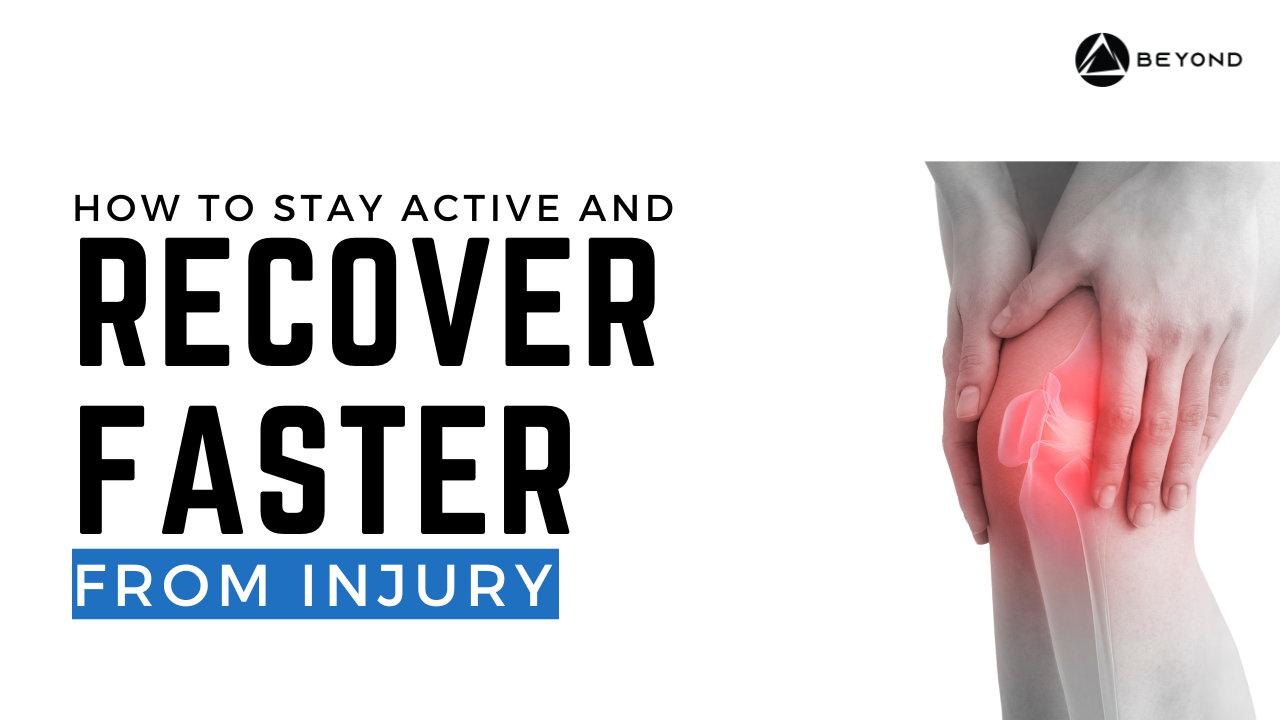
Is Pain Keeping You from the Gym or Staying Fit? Here’s How to Stay Active and Recover Faster
When I injured my lower back, it wasn’t just the pain that got to me—it was missing out on my training routine. Seeing the group photos of my friends at the gym, watching everyone else make progress, while I was stuck hobbling around using a baseball bat as a crutch, was tough.
If you’ve ever been sidelined by pain or injury, you probably know the frustration of not being able to stay active. But staying still isn’t the answer! There are things you can do to keep your fitness journey on track and speed up your recovery. Let’s dive into some strategies that can help you stay moving, even when pain tries to hold you back.
1. Start Moving as Soon as Possible
The first step to overcoming injury-related downtime is to start moving as soon as you can. If your pain allows, even something as simple as a gentle walk can do wonders for your body. Movement increases blood flow, which is key to healing—it helps push waste products out of the injured area and brings fresh oxygen and nutrients to speed up the repair process.
Think of movement as your body’s way of flushing out what it doesn’t need and bringing in what it does. Just be sure to listen to your body and only do what feels manageable.
2. Mobilise and Stretch the Affected Area
When you’re injured, it can be tempting to stay in one position all day. But when your tissues stay immobile, they tend to heal in whatever shape they’re in, which can lead to stiffness and even more discomfort down the road.
To counter this, gently mobilise and stretch the area, if possible. Stretching helps guide the healing process so that the tissues repair in the correct direction, which reduces post-injury tightness and the build-up of scar tissue. The goal is to maintain as much range of motion as you can without causing additional pain.
3. Focus on Protein for Recovery and Muscle Preservation
Protein is essential, not just for bodybuilders, but for everyone—especially when you’re recovering from an injury. Protein plays a critical role in tissue growth and repair, and it helps preserve lean body mass, even when you’re not as active as usual.
Making sure you get enough protein in your diet can speed up your recovery and prevent muscle loss while you’re not able to hit the gym at full capacity. Include high-protein foods like lean meats, fish, eggs, dairy, legumes, or even a protein supplement if needed.
4. Prioritise Quality Sleep
Never underestimate the power of sleep when it comes to recovery. It’s during sleep that your body does the bulk of its repair work, building new tissues and reducing inflammation. Plus, good sleep can also lower your sensitivity to pain, making it easier to cope with discomfort.
Aim for at least 7-9 hours of quality sleep each night, and create a restful environment that promotes deep, restorative sleep. Reducing screen time before bed, keeping your room cool and dark, and following a consistent bedtime routine can all help you get the rest you need.
Don’t Let Pain Stop Your Progress
Pain and injuries can feel like massive roadblocks on your fitness journey, but they don’t have to bring everything to a halt. Focus on what you can do instead of what you can’t. Walking, stretching, getting the right nutrients, and prioritising sleep can all help you stay in the game while you recover.
Remember, staying active isn’t just about physical strength—it’s about the mindset of always moving forward, no matter how small the steps.
Keep moving, keep pushing, and you’ll be back to your regular training in no time!